PIM Woocommerce – Zoho Inventory integration
1. Introduction
Product Information Management (PIM) Woocommerce – Zoho Inventory integration is devoted to managing the data synchronization between Zoho Inventory and Woocommerce from four aspects, which are products, pricelists, contacts, stocks, and invoices (PPCSI). PIM Woocommerce – Zoho inventory integration is a backend software which allows customers using Zoho inventory as source data platform to control the products, price lists and stocks in Woocommerce. The stocks are always dynamically changed based on Zoho inventory. Any sales orders created in Woocommerce will automatically populate to Zoho inventory and generate invoices in Zoho inventory.
2. PPCSI
PCSI is the abbreviation of products, price lists, contacts, stocks, and invoices. PIM synchronization mainly focuses on PCSI synchronization.
A. Products
PIM fetches products information which is “Item” in Zoho inventory. Multiple fields will be fetched like product name, SKU, price, description, etc. The product information then will be compared to the information in Woocommerce, if it is already existed, PIM will update it. If the product is not existed, PIM will create a new product in Woocommerce. PIM also allowed to set up a customized field to define whether this product would be synchronized to Woocommerce.
B. Priclelists
In Zoho inventory, organizations can create multiple price lists to assign items with different prices. PIM has functionality to fetch all price lists stored in Zoho inventory and push them to Woocommerce. By doing this, clients will be able to create custom groups or roles and assign different price lists to groups/roles.
C. Contact
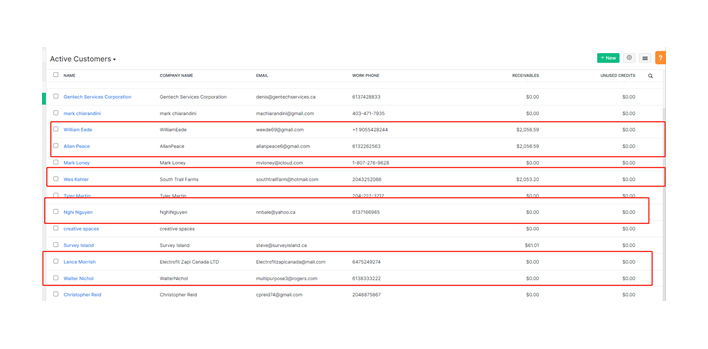
When customers place order in Woocommerce, PIM can get the sales order information and customer information. For achieving auto populating invoice, PIM also offers auto update and insert customer information. The update or create option is based on whether the client’s email can be found in Zoho inventory.
D. Stocks
Except the product information, PIM is also able to get the item and do the stock synchronization. To make sure the stock is synchronized successfully, PIM has three different plans for stock synchronization, which is time scheduled synchronization, one-way real-time synchronization, and two-way real-time synchronization.
E. Invoices
To reduce the work of create invoice manually on Zoho inventory side when sales order placed on Woocommerce, PIM handles automatically populate invoice from Woocommerce to Zoho inventory.


3. Synchronization Method in PIM
PIM Woocommerce – Zoho inventory integration system offers two different ways to synchronize data between Zoho inventory and Woocommerce based on client’s needs and the API limitations:
A. Time Scheduled Synchronization
Time scheduled synchronization aims to reduce the frequency of data update and synchronized between Woocommerce and Zoho inventory, since for both Woocommerce and Zoho inventory, they do have API call limits per day (the limits are based on purchased plan). To avoid reaching the API limits leading to update and synchronized failure, time scheduled synchronization can be set check certain or all data in a certain period like once per day based on client’s needs. For those data not required high real-time performance like product description, time scheduled synchronization is recommended. Also, for avoiding data mismatch, time scheduled synchronization also can be used to check and do the fully synchronization once per day to maintenance the data consistency. For all PPSI synchronization, PIM Woocommerce – Zoho inventory integration system offers fully management time scheduled synchronization.
B. Real-time Synchronization
Real-time synchronization focusses on improve the performance of data consistency for sensitive data like stocks. PIM Woocommerce – Zoho inventory integration system also offers real-time synchronization for various fields. The fields will be monitored and once changed in Zoho inventory, PIM will be able to update them in few seconds. By default, the sales order created in Woocommerce will be populated to Zoho invoice in real time. For other real-time synchronization, client must have at least professional plan in Zoho inventory.
DEMO
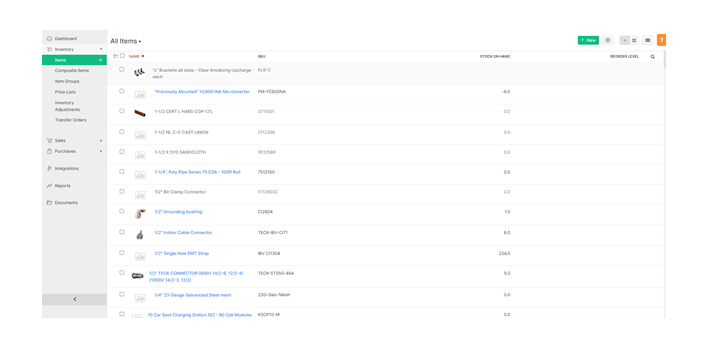
Image 4.1 Part of All Items in Zoho Inventory
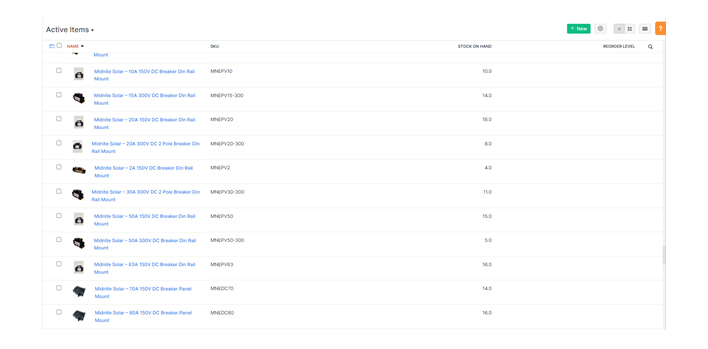
Image 4.2 Part of Active Items in Zoho Inventory
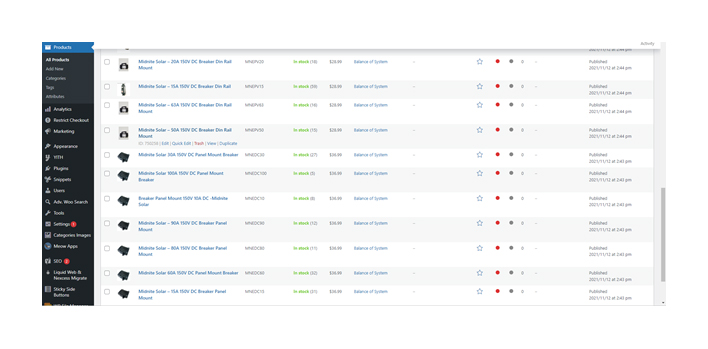
Image 4.3 Part Items in Woocommerce
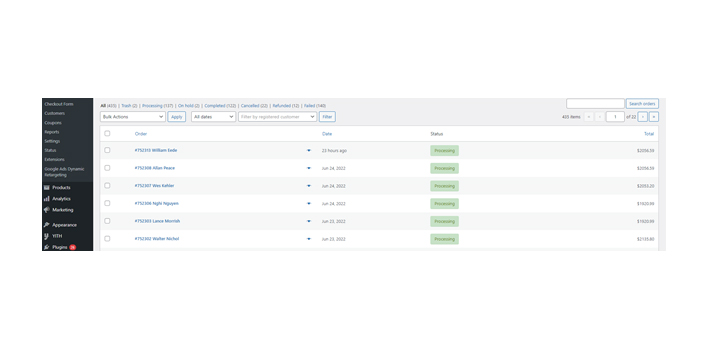
Image 4.4 Woocommerce Sales Order
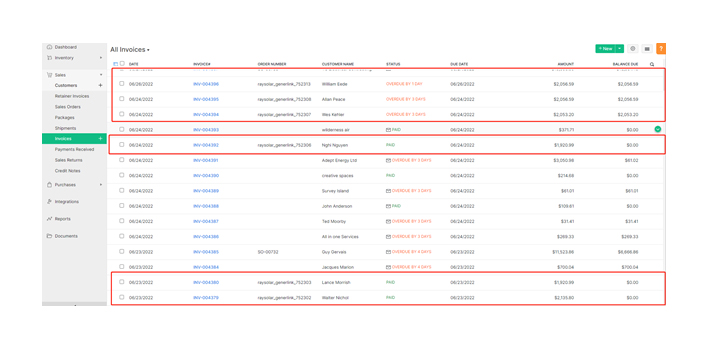
Image 4.5 Zoho inventory Invoice